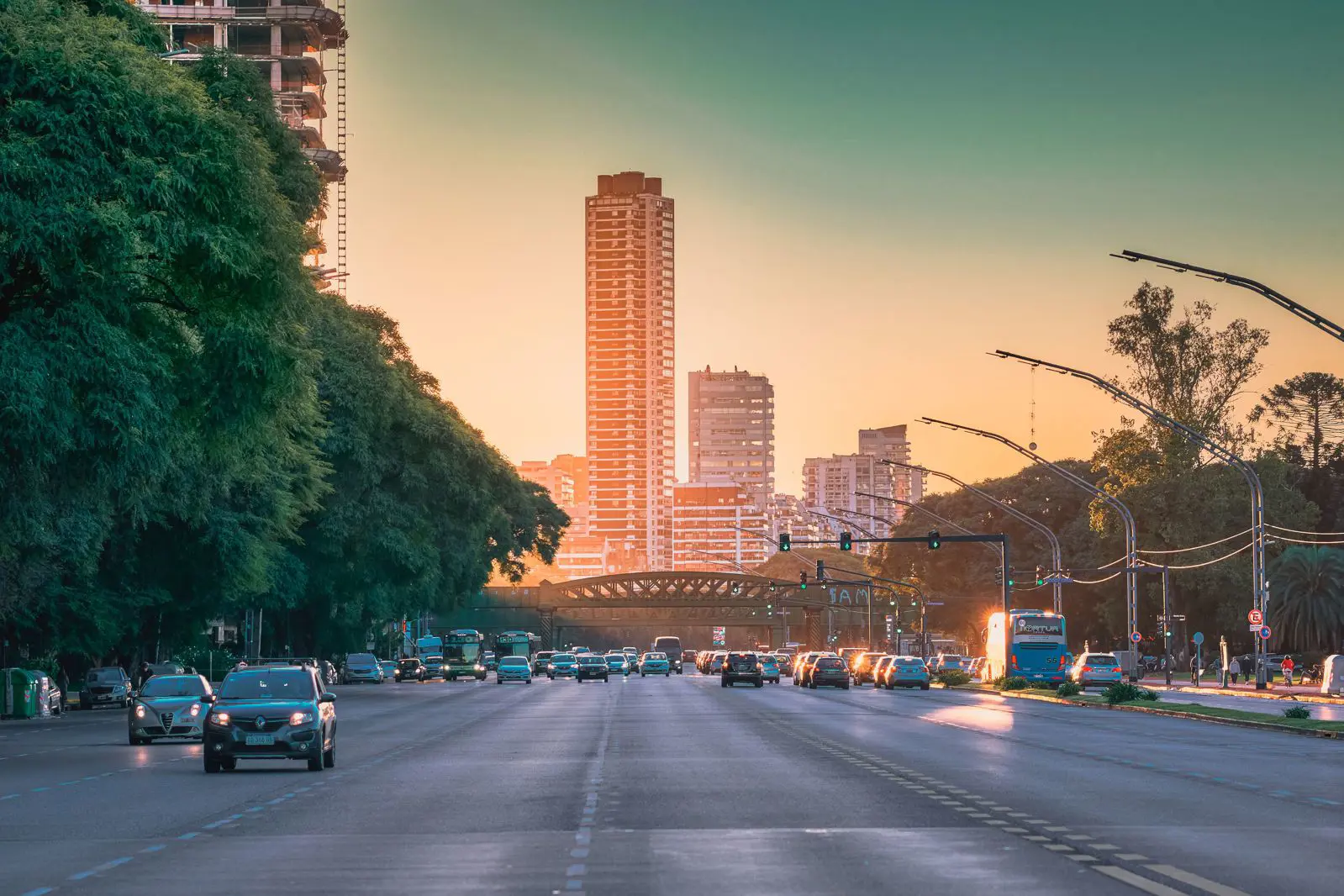
The Palermo neighborhood is the largest in Buenos Aires, covering almost 16 square kilometers. Because it's so vast and diverse, residents have unofficially subdivided it into different areas: Soho, Hollywood, and Chico . Each has its own distinct architectural and commercial character, and all offer a wide variety of attractions that are well-connected to one another.
Determining the best places to visit in Palermo requires understanding its layout. The parks designed by the French landscape architect Carlos Thays, historically known as the Palermo Woods, are located in the eastern part of the neighborhood . Meanwhile, the western part encompasses the fashion design hub, urban art, and cutting-edge gastronomy . And in between, there's simply everything.
In this article, you'll find an itinerary for your walk through Palermo, detailing distances and pedestrian routes to connect the best attractions. This will help you plan your free walking tour with recommendations on where to eat, how to get to street art spots, where to shop, and the best things to do in Palermo .
If you prefer to combine your tour with guided activities and reservations at exclusive locations, check out our tours in Buenos Aires .
Plaza Italia: the starting point
Plaza Italia is the best starting point and meeting place for exploring the best spots in Palermo . This plaza is located at the intersection of Santa Fe and Sarmiento avenues and has a subway station (Line D), but it's also a hub for the Metrobús and multiple bus lines.
Just meters from the plaza are three key attractions that mark the beginning of the neighborhood's ecological tour:
Carlos Thays Botanical Garden: Located at Avenida Santa Fe 3951, this 7-hectare property, declared a National Historic Monument, is home to more than 5,000 plant species . Its design combines three garden styles: Roman, French, and Oriental. It also features five historic metal-framed greenhouses brought from Europe. Admission is free from Tuesday to Sunday . Weekday hours are 8:00 AM to 7:00 PM, and weekend and holiday hours are 9:30 AM to 7:00 PM.
Buenos Aires Ecopark: Located across from Plaza Italia (Avenida Sarmiento 2601), this 18-hectare space occupies the grounds of the city's former zoo. Following a conversion process that began in 2016, it now functions as a wildlife conservation and rehabilitation center . Admission is free, and visitors can stroll along paths that preserve the Victorian and Byzantine architecture of the old animal enclosures.
La Rural: Adjacent to the Ecopark, this immense grounds belong to the Argentine Rural Society. Throughout the year, its pavilions host international events such as the Rural Exhibition (in July) and the Buenos Aires International Book Fair (in April/May).
To optimize your time, it is recommended to divide your visit into two days: dedicate the morning to exploring the parks and museums of the eastern area , and reserve the afternoon and evening to explore the shops, street art and restaurants of the Soho and Hollywood areas .
The Palermo Woods and the Rose Garden
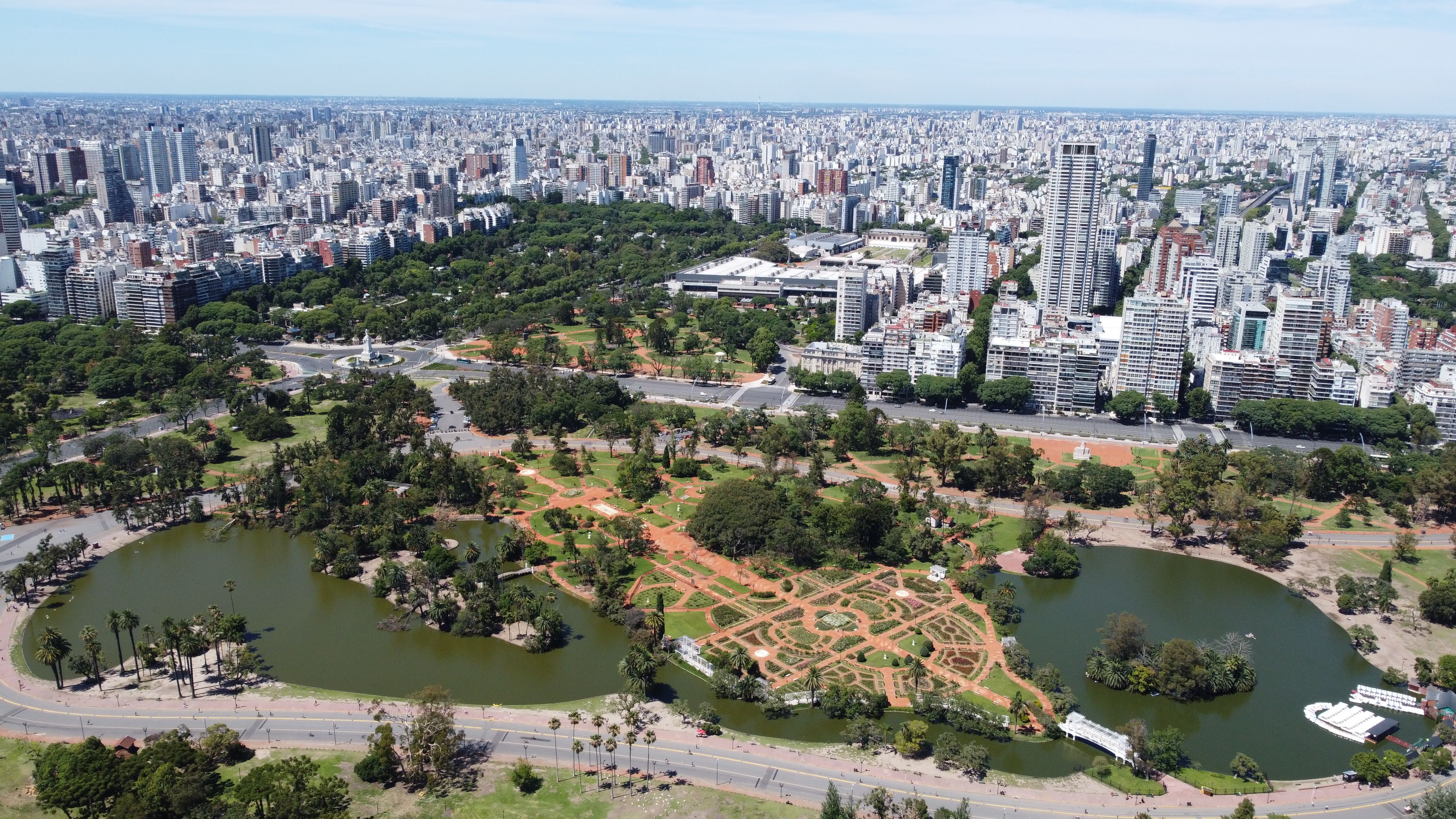
Continuing east along Sarmiento Avenue, the density of buildings decreases, giving way to Tres de Febrero Park , the city's most important green space. Within this vast park, the main activity is strolling through El Rosedal . This geometrically designed garden houses a collection of over 18,000 rose bushes, which reach their peak bloom in October .
The grounds feature a Greek-style pedestrian bridge called the White Bridge , an Andalusian courtyard covered in original majolica tiles imported from Spain, and the Garden of Poets , where busts of literary figures are displayed. It is a free and open space that closes at 6:00 PM during the winter and 8:00 PM in the summer.
Just 500 meters from the Rose Garden is the Galileo Galilei Planetarium , a Brutalist-style spherical building that serves as an astronomy outreach center . The Buenos Aires North Bike Tour is ideal for exploring this green space. This guided bike tour begins in the city center and follows bike paths into the Palermo Woods . During the ride, there are photo stops at the Rose Garden and the Planetarium, combining cultural tourism with low-impact physical activity.
How to get to the Palermo Rose Garden from Plaza Italia
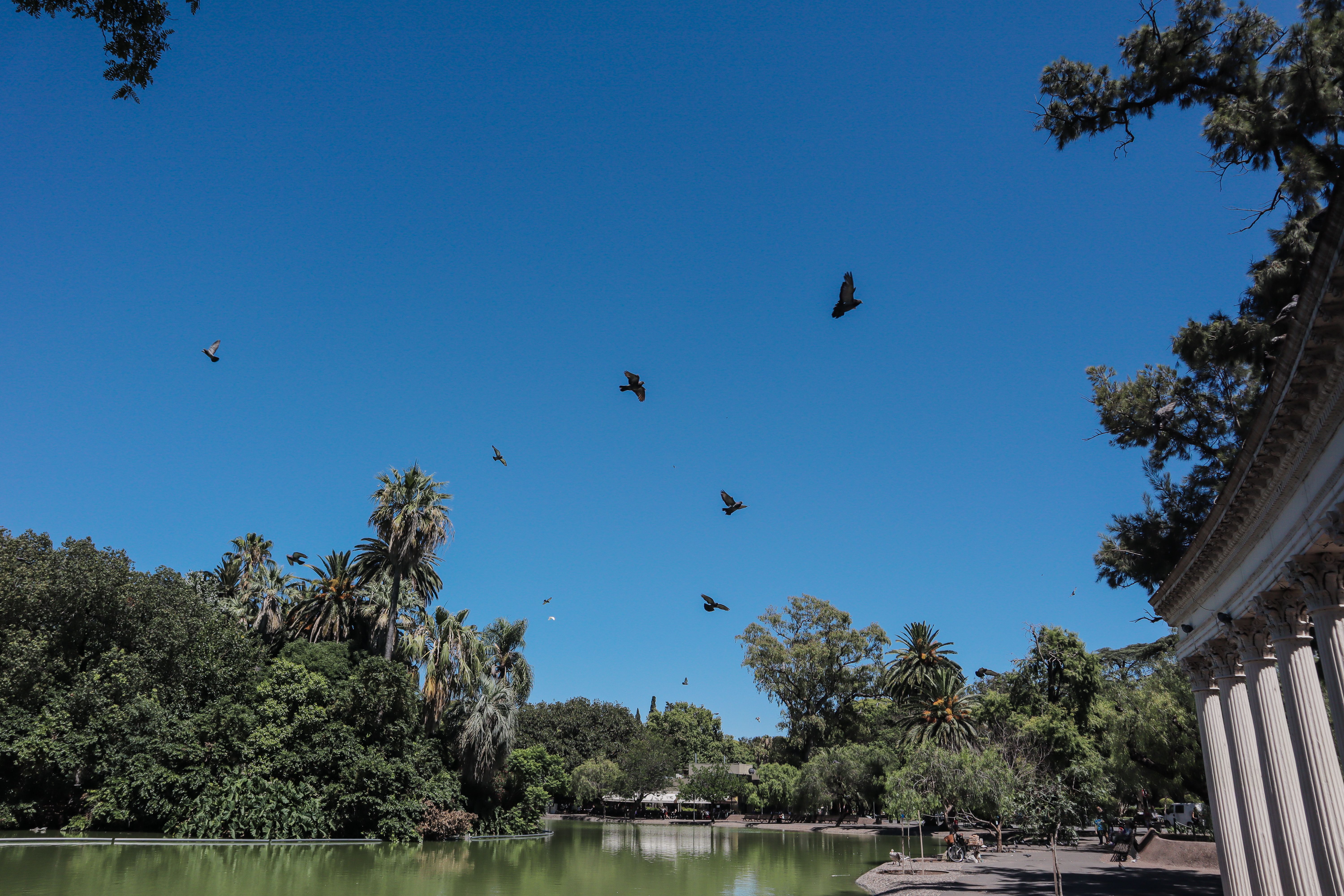
The distance between Plaza Italia and the Rose Garden is 1.5 kilometers. It takes about 20 minutes to walk along Avenida Sarmiento until you cross Avenida Figueroa Alcorta, or a short ride on bus lines 130 or 160. Another option is to use the public transport bikes and pedal for about 7 minutes ; this way you can cover the entire park more quickly and make better use of your time.
Palermo Chico and the cultural heritage
After strolling through the Palermo Rose Garden, it's best to continue south, crossing Avenida del Libertador, to enter Palermo Chico , also known as Barrio Parque. This is the city's most exclusive residential area, characterized by its winding streets and a concentration of embassies and French-influenced mansions. Carlos Thays designed this urban layout to discourage heavy vehicle traffic.
The boundary of this sector is Lafinur Street 2988, where one of the country's most important historical museums is located: the Evita Museum . This building served as a transit home for the Eva Perón Foundation, and today it exhibits original dresses, documents, and audiovisual recordings that recount the life and political influence of Eva Duarte de Perón . A visit to this museum is essential for understanding Argentina's political history during the 20th century and is included in the Buenos Aires Evita Perón and Jorge Luis Borges tour .
Palermo Soho and Hollywood: design and urban art
If you move away from the parks and head west, crossing the San Martín railway tracks and Santa Fe Avenue, you will enter the commercial center of Palermo: the Soho and Hollywood areas .
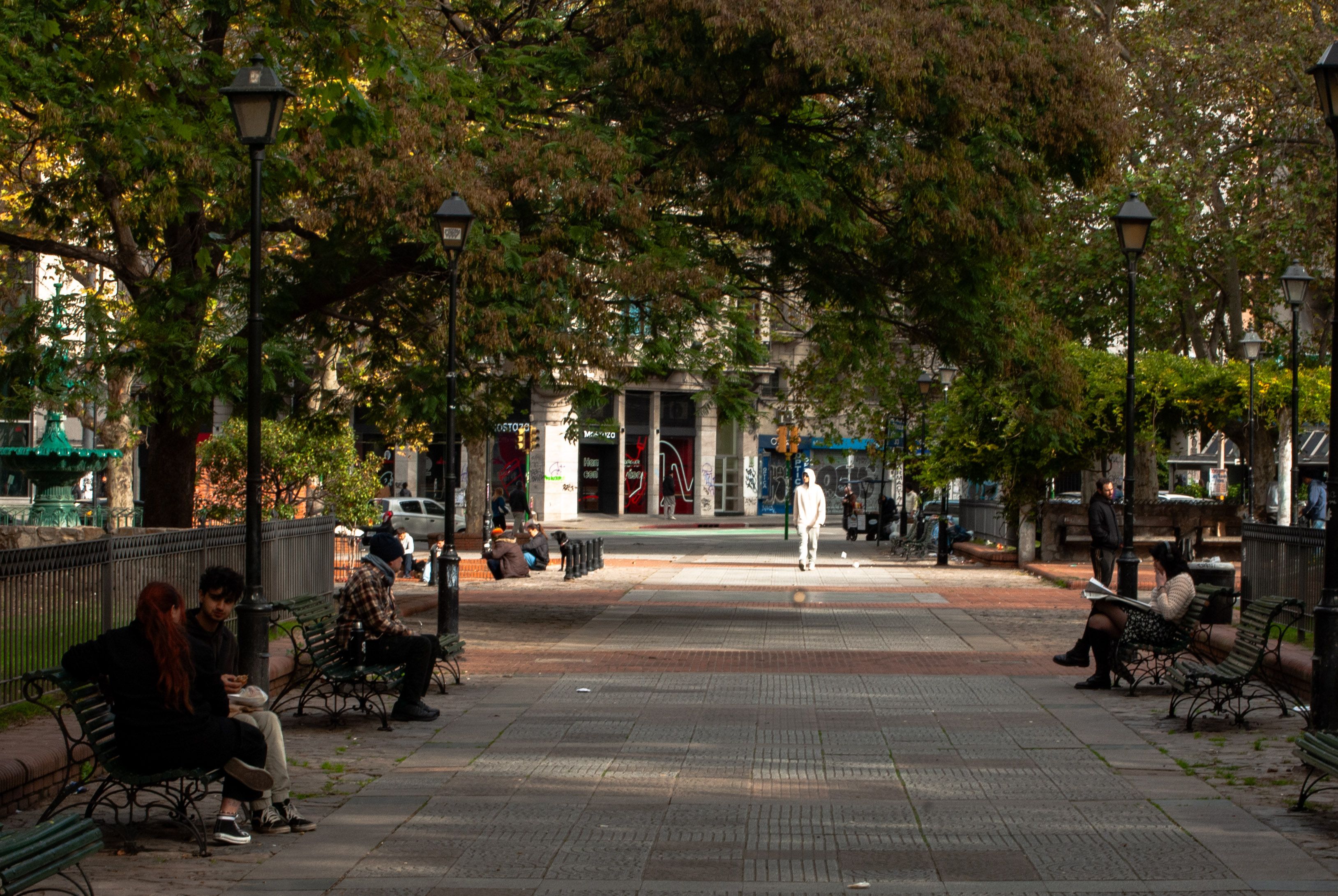
Palermo Soho is centered around Plaza Serrano and Plaza Armenia. It's the epicenter of independent design, with cobblestone streets lined with clothing boutiques, home decor shops, and specialty coffee shops. On weekends, both plazas come alive with colorful artisan markets.
Crossing Juan B. Justo Avenue to the north, you enter Palermo Hollywood, an area named for its concentration of television and film production companies . This area is known for its vibrant street art. The Palermo Graffiti Walking Tour It organizes a walking tour focused on this art form. Urban art experts guide the walk through the streets of Palermo Hollywood and the adjacent Colegiales neighborhood , discovering works by local and international artists who have transformed the gray facades into open-air art galleries.
Gastronomy: Buenos Aires' culinary hub
Palermo boasts the most innovative and award-winning culinary scene in the capital. Therefore, looking for fun things to do in Palermo means booking a culinary experience. If your plan is to experience traditional Argentine beef at its finest, the area has world-renowned steakhouses.
Don Julio: Located at the corner of Guatemala and Gurruchaga streets, this is the most famous steakhouse in the country, awarded a Michelin star for its grass-fed cuts of meat and extensive wine cellar. Getting a table is difficult, so consider booking the Don Julio steakhouse lunch or dinner package. Secure your reservation in advance.
Lo de Jesús: Just a few blocks away, at 1406 Gurruchaga Street, is this classic Buenos Aires restaurant specializing in aged meats. The "Dinner at Lo de Jesús Grill" package offers a set three-course menu that guarantees the traditional Argentine barbecue experience in a historic setting.
If you prefer an interactive and educational experience instead of a conventional dinner, the Argentine Barbecue in Small Groups activity It's one of the best things to do in Palermo . It's an immersive, private dinner where chefs explain fire-lighting techniques, local cuts of meat, and how to prepare sauces like chimichurri. It's a relaxed atmosphere, ideal for travelers looking to socialize.
Finally, if your interest lies in haute cuisine and the latest trends, the Palermo Gastronomic Tour organizes a tasting circuit through cutting-edge establishments. A culinary guide leads tastings of signature dishes, boutique wines, and artisanal ice creams, providing a comprehensive overview of Buenos Aires' foodie scene in a single evening.
Shopping and malls in the neighborhood
Palermo offers two very different shopping experiences, which cater to different consumer profiles.
Paseo Los Arcos Palermo (Arcos District): Located at 4979 Paraguay Street, next to the Palermo subway station, this open-air shopping center was built by recycling the brick structure of the old San Martín railway viaducts. It operates as a premium outlet , featuring clothing stores with national and international brands offering discounts on previous seasons' items . It's a pleasant pedestrian area with outdoor dining terraces and cafes.
Paseo Alcorta Palermo: Located at the intersection of Salguero and Figueroa Alcorta streets, this indoor shopping center targets the high-end market. Its modern, three-level architecture houses the country's most exclusive designer boutiques, international perfumeries, and a food court on its top floor offering panoramic city views.