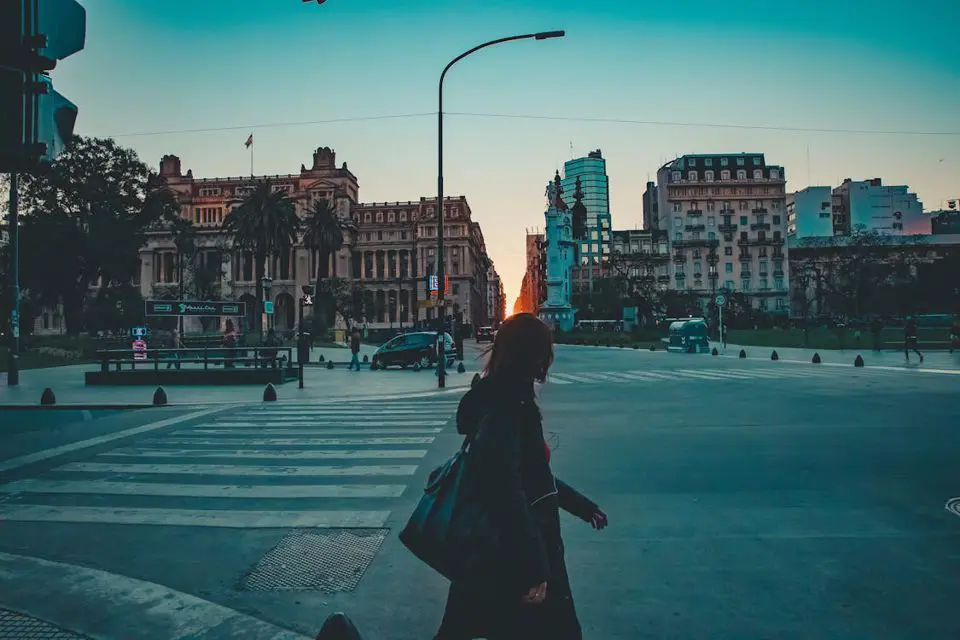
It is one of the most interesting and attractive neighborhoods in all of Buenos Aires for organizing walks and understanding a part of the daily life of the Rio de la Plata locals. Its museums, specialty coffee shops, huge parks, craft fairs, cultural centers, and its large and varied offer of nightlife proposals all turn Recoleta into the top neighborhood of the Federal Capital, one of the places where local youth and foreign tourists gather to experience an entertaining and unforgettable day.
If you are asking yourself, "What do I do in Recoleta?", you are in the right place. We are not going to tell you how and in what order to do everything, but we will suggest a list of sites that promise and fulfill the objective of amusing, informing, and delighting. And the good thing is that each of these proposals is very close to the other, within the same neighborhood, so you can combine them and organize yourself in the way you like best. Let's start!
What to Do in Recoleta by Day
Recoleta is spectacular, especially by daylight, when its squares, museums, and cultural fairs take center stage. One of the essential points is the classic Cementerio de la Recoleta, considered an open-air museum for its enormous architectural and artistic value. Its mausoleums, sculptures, and labyrinthine corridors offer a unique postcard of Argentine history, with figures like Eva Perón, Victoria Ocampo, Jorge Luis Borges and Adolfo Bioy Casares. Many visitors choose to take guided tours to better understand the secrets and symbolisms of the place.
A few meters away, the Centro Cultural Recoleta opens its doors with an always renewed program: contemporary exhibitions, audiovisual cycles, interactive installations, and spaces that invite participation, especially designed for a young audience. Right there, Plaza Francia becomes a key meeting point every weekend thanks to its craft fair, where local artists, entrepreneurs, live music, and on-the-go gastronomic proposals coexist.
Another daytime must-see is the Museo Nacional de Bellas Artes (National Museum of Fine Arts), which houses one of the most important collections in Latin America. With works by Goya, Rodin, Degas, Monet, and an outstanding selection of Argentine art, the museum proposes a broad and accessible tour, ideal both for specialists and for those who just want to approach art in a quiet environment. Its free admission also makes it an excellent option for any budget.
The Bookstore of the College of Notaries, better known as El Ateneo Grand Splendid, offers another type of tour: an old theater transformed into a majestic bookstore that dazzles with its architecture, its frescoes, and the stage that today functions as a cafeteria. It is a perfect plan to rest between tours, read for a while, or simply contemplate the beauty of the building.
What to Do in Recoleta with Kids
Recoleta can also be a great plan for childhood, as kids find in this neighborhood a combination of green spaces, cultural activities, and educational proposals. Plaza República del Perú, in front of the Museo de Arte Latinoamericano de Buenos Aires (MALBA), is a common meeting point for families looking for a break between games and tree shade. MALBA, in addition, usually offers didactic activities and workshops designed for children, with shorter tours adapted to their curiosity.
The Centro Cultural Recoleta also includes ideal spaces for the youngest, especially during vacations and long weekends. Its patios usually transform into stages for children's shows, performances, and participatory activities. Many of these events are free, making them an excellent option to spend the afternoon without the need for great planning.
Another classic plan to enjoy with the family is visiting the Plaza Francia Fair, where kids can find everything from handmade toys to participatory activities that arise spontaneously among street performers. Walking through the area, having an ice cream in one of the nearby confectioneries, or resting under the shade of a jacaranda tree can be part of a complete afternoon.
For those who prefer a more educational experience, the Museo Participativo de Ciencias (Prohibido No Tocar), located inside the cultural complex, is one of the most fun options. There, kids can interact with scientific experiments, learn by playing, and explore physical phenomena in a practical way. It is an ideal space for curious minds of all ages, with sensory proposals and didactic stations that invite touching, moving, and discovering.
Published by Has Chacon on 23/06/2026