To get to know Buenos Aires in a few hours or a day, letting yourself be carried away by its history, architecture, music, and culture, the best thing is to start with the essentials: its downtown area. If we take the iconic Plaza de Mayo as a reference point—surrounded by the Government House (Casa Rosada), the Cabildo de Buenos Aires, and the Metropolitan Cathedral, among other emblematic buildings—we can see the consolidated foundational heart of the city, a meeting point for its memory, its conquests, and its present. This area offers a clear first impression of what porteño identity represents: history, power, tradition, and roots.
However, there are also other places representing Argentine culture that are valuable to explore. We refer to the areas bordering the center, blending into neighborhoods where the past combines with contemporary life. Cobblestone streets and old mansions that transport the visitor to another time; passages and art and design galleries that show a colorful aspect of the city; tango and folklore music resonating in theaters and bars in the area; and the aromas of grilled meat (carne asada) in steakhouses and other delicacies that whet the appetite; all this makes up the essence of the Rio de la Plata.
For all these reasons, one must know how to walk through downtown Buenos Aires. If you are intrigued to know which are the unmissable sites to discover on foot, keep reading this guide. In addition, we will show you three alternatives with Best Buenos Aires Tours so you can have this experience accompanied by professional guides..
Bus Tour of Buenos Aires
A City Tour by bus in Buenos Aires is the most comprehensive if you want a broad overview of the city in a few hours: in about 3–4 hours you will visit major landmarks: the Obelisk of Buenos Aires, Plaza de Mayo, the historic center, then neighborhoods like San Telmo, La Boca (including the iconic Caminito and the surroundings of the Boca Juniors stadium), the Puerto Madero area, and later quieter or traditional neighborhoods like Palermo and La Recoleta.
It is ideal if you have little time, if you have just arrived, or if you want a general first contact with the city. Plus, it is comfortable: you are in a vehicle, not depending exclusively on walking—which helps if you want to cover many points without getting exhausted.
Walking Tour of Buenos Aires: Downtown and Historic Neighborhoods
On the other hand, our walking tour in Buenos Aires offers a more intimate, leisurely experience, at a walking pace: you start in San Telmo, with its cobblestone streets, old architecture, antique fairs, and bohemian and tango atmosphere. You walk through emblematic places like Plaza Dorrego, tour La Boca and Caminito, live the color, the history of immigrants, street music, folk art, and mingle with the city in a more direct way.
Then you move towards areas like Puerto Madero and the historic center, ending in Recoleta. It also includes public transport, coffee, and typical food—a more authentic experience, more like a local. We recommend this tour if you want to connect with the city by walking it, enjoying its textures—cobblestones, old houses, hidden corners—with pauses for empanadas or a coffee, and a closer look at day-to-day life in Buenos Aires.
Cultural Tour of Buenos Aires: Museums and Historic Sites
Finally, a cultural tour in Buenos Aires is ideal if you are interested in art, architecture, and the cultural history of Buenos Aires. It includes a guided visit to the Teatro Colón—an emblematic building with majestic history and architecture—and entry to the Museum of Latin American Art of Buenos Aires (MALBA), where you can tour modern and contemporary artworks.
In addition, the tour includes walking tours through traditional neighborhoods like San Telmo and Puerto Madero, with their architectural and social contrasts, and stops in the historic center. I recommend this if you are interested in a deeper look into the cultural, artistic, and architectural identity of the city, combining history, music, art, and modernity.
15 Must-Sees from Historic Downtown Buenos Aires
Buenos Aires is a city discovered by walking, looking up, and letting yourself be carried away by its contrasts. If you are organizing a first visit—or want to rediscover it with curious eyes—these are the 15 unmissable places to visit in Buenos Aires, with different options for every taste.
1. Plaza de Mayo
The political and emotional center of Argentina, surrounded by iconic buildings that narrate more than two centuries of history. Pay attention to the details of the murals and drawings painted on the tiles, as public space is a mirror of social struggles and events that marked the identity of the Argentine people. Plaza de Mayo is a strategic point to start any tour.
2. Casa Rosada
The seat of the Executive Branch, with a color atypical in the world, dazzles with its architecture and its emblematic balcony. Presidents of different political signs have passed through there. It can be visited for free with a professional guide. It is a key place to understand the political life of the country.
3. Cabildo and Metropolitan Cathedral
The colonial past becomes visible in the Cabildo, a remnant of the May Revolution. Meanwhile, the Cathedral surprises with its imposing neoclassical interior and symbolic value.
4. Teatro Colón
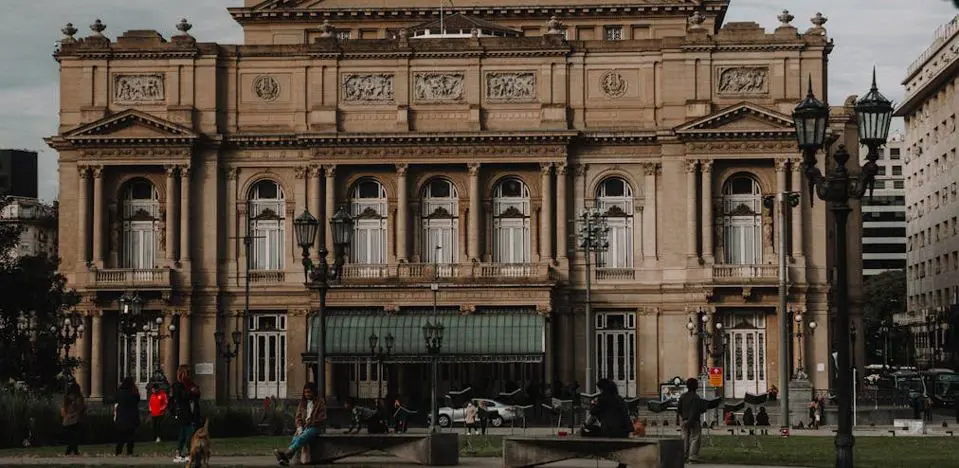
Considered one of the best lyric theaters in the world, it offers guided tours that allow you to walk through its halls, the stage, and a history full of great artists.
5. Obelisk and Avenida 9 de Julio
An absolute reference point, surrounded by theaters, cafes, and a constant flow of porteño life. Ideal for photos and feeling the pulse of the city.
6. San Telmo
One of the oldest neighborhoods, with cobblestone streets, antique shops, art galleries, and markets where typical dishes and tango music coexist. Its Notable Bars (Bares Notables) are a mandatory stop.
7. La Boca and Caminito
The most colorful neighborhood in Buenos Aires. It is one of the most photographed neighborhoods in the country as it offers murals, colorful tenements (conventillos), an iconic little street, galleries and folk art fairs, and cultural centers and museums that highlight the immigrant and port spirit of the area. Visit the Boca Juniors stadium with tickets for a home game or to tour the Museum.
8. Puerto Madero
The most modern area, with skyscrapers, docks, and restaurants by the water. The Puente de la Mujer (Women's Bridge) and the Costanera Sur Ecological Reserve are two unmissable attractions.
9. Recoleta and its Historic Cemetery
An elegant neighborhood with French architecture and cultural spaces. The cemetery is a labyrinth of sculptures, mausoleums, and legends. Ideal for stopping at traditional cafes.
10. Floralis Genérica
The metal sculpture that opens and closes its petals according to daylight is one of the city's photographic icons.
11. Palacio Barolo
Inspired by the Divine Comedy, this building mixes mysticism, symbolism, and monumental architecture. Its guided tours, often at night, offer spectacular views of the city.
12. Avenida Corrientes
The avenue that never sleeps: theaters, bookstores, classic pizzerias, and notable cafes make up a vibrant tour. It is the most intense cultural artery of Buenos Aires.
Published by Has Chacon on 23/06/2026