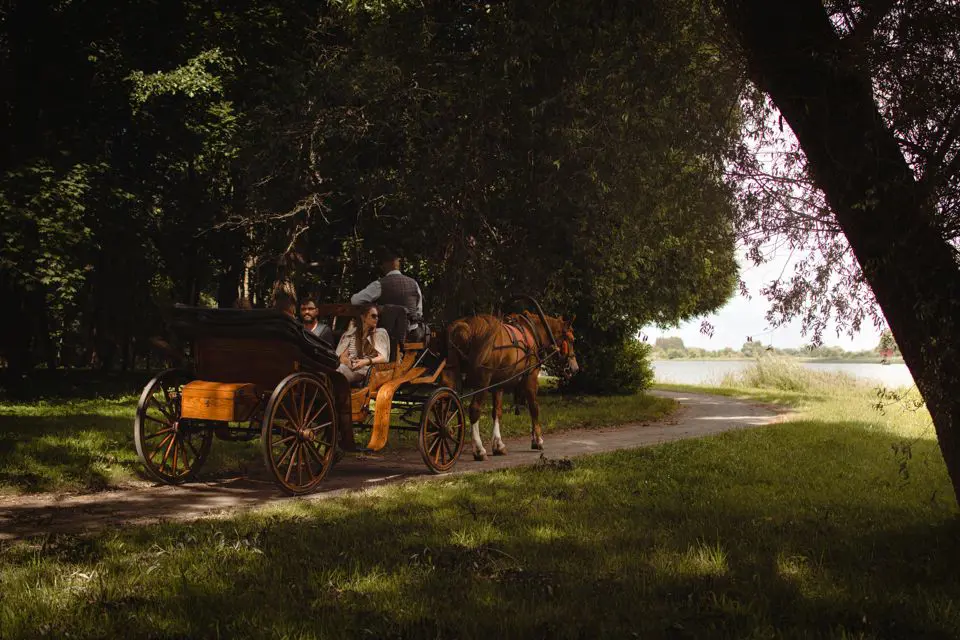
You have already visited the capital of Argentina and its main attractions. Now it's time to step outside the margins of the known and dare to live a true countryside experience, where estancias, gaucho traditions, Creole asados, and folk dances that bring the province of Buenos Aires to life abound. Not to bore you, let's get to the point: our recommendation, in this article, is that you make the most of your new trip to Buenos Aires with a visit to San Antonio de Areco.
This beautiful rural town is located just over an hour from the porteño city and is characterized at first glance by 20th-century buildings, cobblestone streets, reminiscences of old pulperías (taverns) and bakeries, beautiful squares and boulevards, and much more.
As soon as you cross the welcome sign to Areco, you will notice that the pace of life slows down, and that is one of the main reasons why many tourists considering getaways in Buenos Aires choose it. It is a destination that combines proximity, scenic beauty, history, identity, and lots of gaucho tradition.
How to Get to San Antonio de Areco
The town is located in the north of the province of Buenos Aires. The journey is simple. By car, it is accessed mainly via National Route 8, with a journey of around 110 kilometers from downtown Buenos Aires. Without traffic, the trip takes between an hour and a quarter and an hour and a half. There are also bus services departing from the Retiro station that arrive directly at the town, a good alternative for those who prefer not to drive.
Its proximity to the City of Buenos Aires explains why it has become a getaway classic, both for spending the day or staying a full weekend. The charm is not only in what is seen but also in how it is lived: it invites you to walk without haste, sit and watch the river, and let time pass differently.
What to Do in San Antonio de Areco and How Many Days to Spend
Once there, the key question arises: how long does it take to know it well? And the answer will depend a lot on your personality, your time, and your budget.
For us, San Antonio de Areco is perfect for a full day (but "full" means from early morning until late at night). If visited in a rush, many enjoyable things are left out. In that case, we suggest exploring it over two days. One day is enough to walk the historic center, visit museums, and sit down for a quiet meal, but a weekend allows adding estancias, calmer walks, and dinners with shows in charming places.
Areco is not a tight-schedule destination: its greatest attraction is precisely the opposite. The heart of the town is explored on foot. The blocks around the central square concentrate historical buildings, handicraft houses, and museums dedicated to gaucho culture, such as the Ricardo Güiraldes Museum, a key figure in understanding local identity. A few meters away appears one of the most sought-after postcards: the Puente Viejo (Old Bridge), over the Areco River, around which dozens of people take advantage of the green spaces and the shade of the trees to have lunch, a snack, or rest.
Beyond the center, one of the most chosen experiences is contact with the countryside. The estancias in San Antonio de Areco represent a direct door to the rural traditions of the region. Among the best known is Estancia El Ombú de Areco, a classic for those who want to experience an authentic country day in San Antonio de Areco (día de campo) without straying too far from the town. There, the asado ritual, empanadas, demonstrations of destrezas criollas (gaucho skills), and walks through the gardens allow understanding why this area is synonymous with gaucho tradition.
How Do I Travel to San Antonio de Areco? Tours and Suggestions
If you don't have your own vehicle, don't worry: there are organized excursions that include transfers from Buenos Aires and tempting proposals, such as an asado lunch and free time to explore Areco. Sounds good, right? Plus, they are a comfortable option for those with little time. The only thing you have to think about is which of all the options suits you best: both the country day at El Ombú and the more general San Antonio de Areco country day programs work especially well for first visits.
Where to Eat in San Antonio de Areco
Eating well is part of the experience and one of the main attractions of San Antonio de Areco. Anyone who has visited the town before knows that its bodegones and restaurants serve abundant and flavorful dishes, the kind that remain etched in memory and encourage a return.
In Areco, parrillas (steakhouses) are the protagonists. With classic cuts, homemade pasta, and traditional desserts, they tempt all visitors and cause long lines to form in the shade every weekend. For those traveling on a tight budget, there are also cheap eating options, such as village bars, social clubs, or locals with daily menus that maintain quality without high prices.
The pace of meals, like almost everything in Areco, is leisurely. Here there is no rush: lunch can last hours, and the sobremesa (after-meal conversation) is a fundamental part of the experience. That way of inhabiting time explains why so many visitors return.
Best Time to Visit San Antonio de Areco
Choosing when to go also makes a difference. The best season to visit San Antonio de Areco depends on what you are looking for. Spring and autumn are usually ideal due to the temperate climate, the colors of the landscape, and the possibility of walking for hours. In November, the Fiesta de la Tradición turns the town into a great open-air stage, with parades, music, and cultural activities attracting visitors from all over the country. It is a special moment, although more crowded.
Summer brings hot days, but also long sunsets by the river and a quiet atmosphere during the week. Winter, on the other hand, enhances the town's more intimate side: lit fireplaces, hot dishes, and silent streets. Each season offers a different version of Areco, and therein lies part of its charm.
Beyond specific activities, what defines San Antonio de Areco, we believe, is its ability to slow you down. It is the perfect getaway to reconnect with a deep identity of the province, to understand how tradition and the present coexist, and to remember that sometimes traveling does not mean going far, but going differently. Close to Buenos Aires, Areco continues to offer what sometimes seems scarce: time, silence, and a genuine sense of welcome.
Published by Has Chacon on 23/06/2026